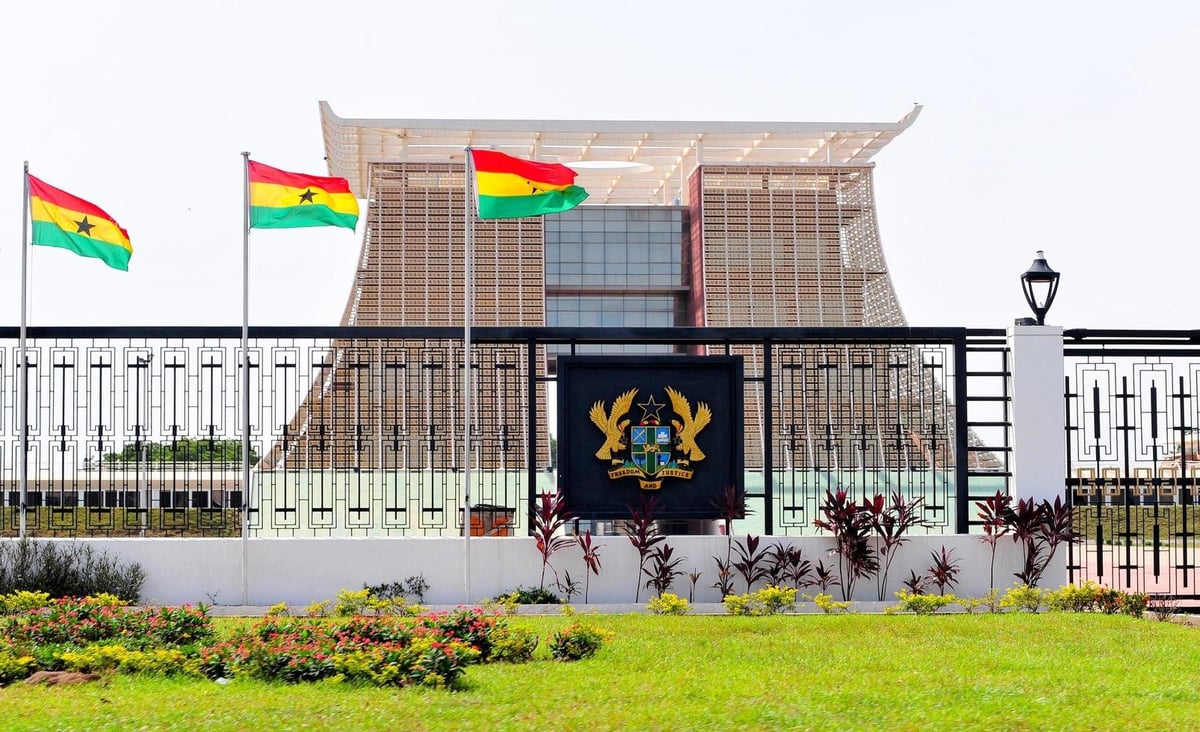
The West African Growth Story
West Africa has experienced significant economic growth over the past two decades, with several countries achieving middle-income status and regional integration deepening through ECOWAS. Yet growth has been uneven, and the region continues to face challenges in translating economic expansion into broadly shared prosperity.
At Pandora Management Consult, our work across the region has given us perspective on both the opportunities and constraints shaping West Africa's development trajectory. Sustainable growth requires addressing structural challenges while capitalizing on emerging opportunities.
Macroeconomic Fundamentals
Sustainable economic growth requires sound macroeconomic foundations. Key considerations for West African economies include:
- Fiscal Discipline: Governments must balance the need for investment in infrastructure and human capital against the imperative of fiscal sustainability
- Monetary Stability: Central bank credibility in maintaining price stability creates the conditions for long-term planning and investment
- Exchange Rate Management: Competitive exchange rates support export-led growth while avoiding the inflation spiral of currency depreciation
- Debt Sustainability: Careful management of public debt ensures that borrowing supports growth without creating unsustainable obligations
Structural Transformation
Sustained growth requires structural transformation shifting economic activity from low-productivity agriculture toward higher-productivity manufacturing and services. Strategies for facilitating this transition include:
Industrial Policy: Strategic interventions to develop competitive industries, learning from the success of East Asian economies in building manufacturing bases
Trade Integration: Leveraging regional market size through ECOWAS integration while diversifying export destinations beyond traditional partners
Digital Economy Development: Building the infrastructure and skills needed to participate in and benefit from the global digital economy
Human Capital Investment
No economy can achieve sustainable growth without a skilled, healthy workforce. Priority investments include:
- Quality basic education accessible to all children regardless of geography or socioeconomic status
- Technical and vocational training aligned with employer needs
- Higher education institutions producing graduates with skills relevant to the modern economy
- Healthcare systems that keep the population productive and reduce the burden of disease
Infrastructure as a Growth Enabler
Infrastructure constraints impose significant costs on West African economies power outages that reduce industrial productivity, transport costs that erode export competitiveness, limited connectivity that excludes rural populations from economic opportunities. Addressing these constraints requires:
Strategic infrastructure investment coordinated across the region, innovative financing mechanisms including PPPs, and attention to operations and maintenance to ensure infrastructure delivers value over its full lifecycle.
Inclusive Growth Strategies
Growth that benefits only a small segment of the population is neither sustainable nor desirable. Inclusive growth strategies ensure that economic expansion creates opportunities for all citizens:
SMEs as Growth Engines: Creating environments where small and medium enterprises can thrive access to finance, simplified regulations, business development services
Gender Economic Empowerment: Removing barriers that prevent women from fully participating in economic life
Regional Balance: Ensuring that growth opportunities are not concentrated in capital cities but spread across the national territory
The Path Forward
West Africa stands at a pivotal moment. A young, growing population represents both a challenge and an opportunity. Climate change threatens existing economic activities while creating pressure for adaptation. Global economic shifts open possibilities for diversification. The choices made today will determine whether the region fulfills its considerable potential. Sustainable growth requires integrated strategies that address macroeconomic fundamentals, structural transformation, human capital, infrastructure, and inclusivity together. At Pandora Management Consult, we remain committed to supporting the leaders and organizations working to build a more prosperous West Africa.